Morning Fuel
A morning meal within the first couple of hours after waking sets a practical anchor for the rest of the day's structure. Opt for accessible, quick-to-prepare options on busy mornings.
Daily Meal Framework
A suggested structure for today's meals — presented as a general educational reference for those building a consistent daily eating routine. Adapt freely to your own preferences.
Medical Disclaimer: This content is for informational purposes only. It is not medical or nutritional advice. We are not registered dietitians or healthcare professionals. Consult a qualified healthcare professional or registered dietitian before making dietary changes, especially if you have medical conditions, allergies, food intolerances, or are pregnant/breastfeeding. Individual nutritional needs vary significantly.
Daily Rhythm
Spacing meals across the day in a predictable pattern can make planning more manageable. Here's one approach that many people find useful as a starting reference.
A morning meal within the first couple of hours after waking sets a practical anchor for the rest of the day's structure. Opt for accessible, quick-to-prepare options on busy mornings.
Lunch around midday provides a natural break and a mid-point to the day's eating. Grain or legume-based options tend to travel well if preparing meals ahead of time.
A balanced evening meal rounds out the day. Simpler preparations work well here — roasted proteins and vegetables with a base grain require minimal active effort.
Morning
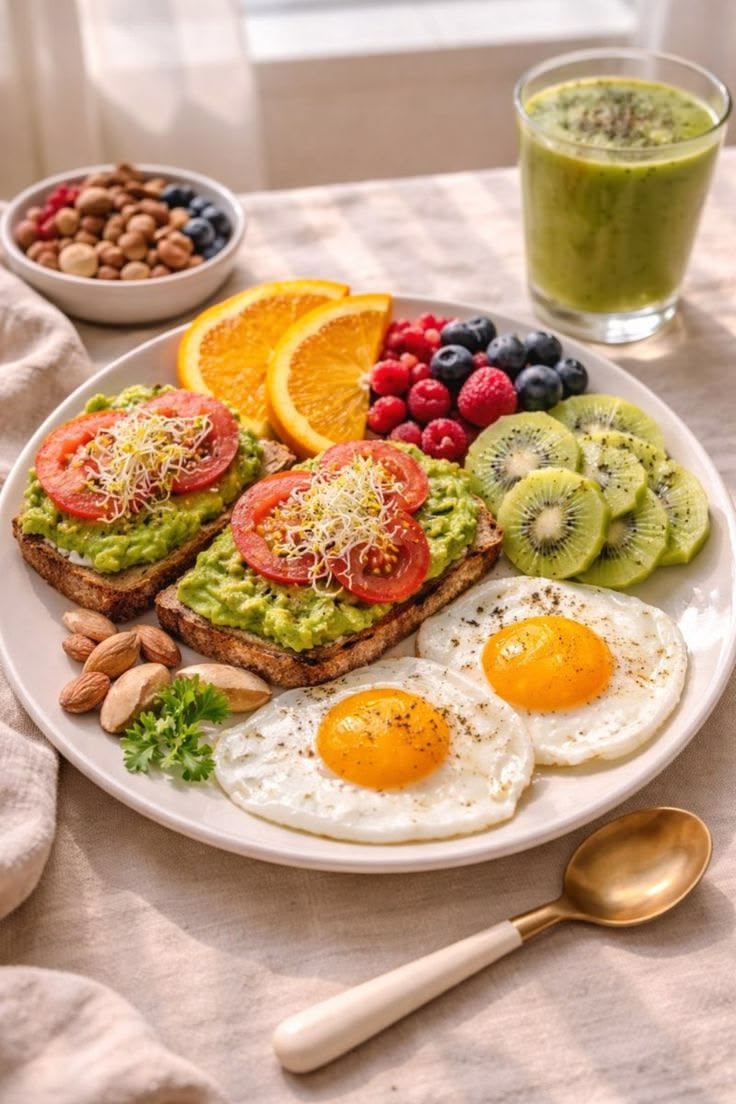
Morning meals work best when they're easy to prepare and satisfying enough to sustain focus through mid-morning. The options below represent a range of complexity — from five-minute assembles to weekend prep ideas.
Prepared the evening before. Rolled oats, milk of choice, chia seeds, and whatever fruit or nut toppings you prefer. No morning cooking required.
Two to three eggs with sautéed spinach, mushrooms, and a slice of whole grain toast. Preparation under 10 minutes.
Blend spinach, frozen banana, Greek yogurt, and milk. Add oats or nut butter for a more filling version.
Midday
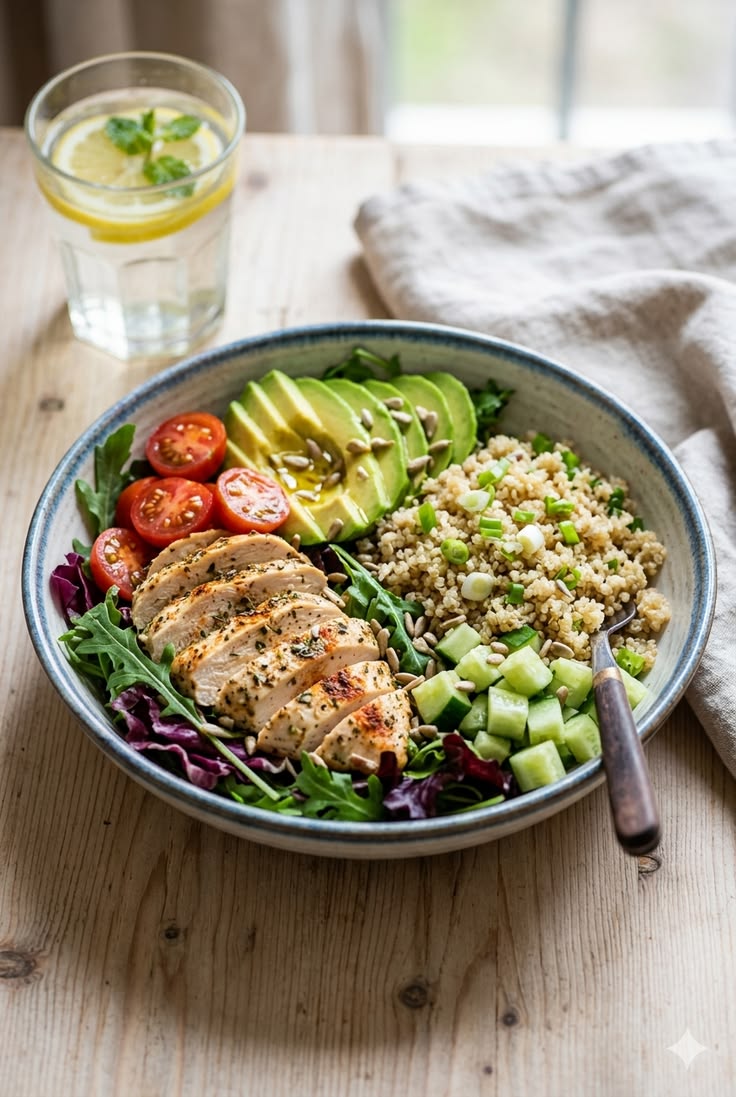
Lunch is a useful opportunity to include a variety of ingredients and textures. Bowl-format meals and wraps travel well and can be prepared the night before if mornings are tight.
Quinoa or brown rice base, roasted sweet potato and bell pepper, a handful of mixed greens, and a tahini dressing.
Whole wheat tortilla filled with hummus, cucumber, tomato, avocado, and your choice of protein or legumes.
A batch-cooked lentil or vegetable soup pairs well with a slice of bread. Stores well in the refrigerator for several days.
Evening
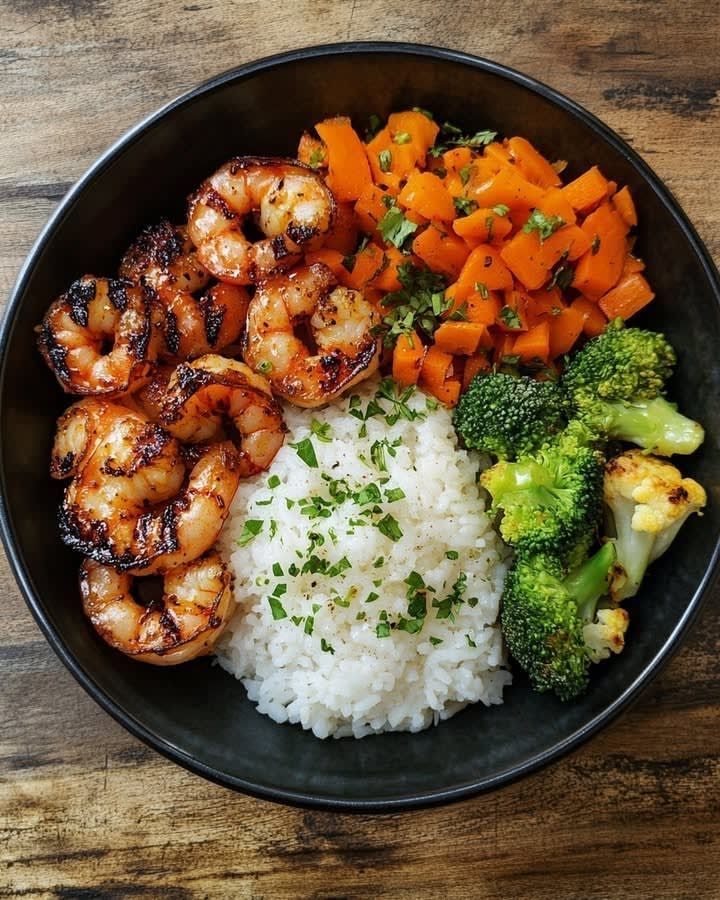
Evening meals typically allow more preparation time, though simpler options are always valid. Sheet-pan cooking and one-pot approaches reduce active cooking while producing satisfying results.
Salmon fillets with broccoli, asparagus, or zucchini, seasoned and roasted together on one pan at 200°C for 20–25 minutes.
A one-pot chickpea and tomato curry with ginger, cumin, and coriander. Served over steamed basmati rice.
Cherry tomatoes and garlic roasted in olive oil, blended into a quick sauce over whole grain pasta with fresh basil.
Between Meals
Snacks serve as optional additions between meals when needed. These ideas are portable and easy to prepare in advance.
Sliced apple with almond or peanut butter for dipping.
Carrot, celery, or cucumber sticks with a portion of hummus.
A few whole grain crackers with a small portion of hard cheese.
A small handful of nuts combined with a few dried apricots or raisins.
Hydration
Water intake is often an overlooked aspect of daily meal planning. Including hydration checkpoints throughout the day can be a useful addition to your meal timing structure.
General guidance suggests pairing a glass of water with each meal. Herbal teas, infused water, and sparkling water are useful alternatives to plain water throughout the day.